


Social Media Trends 2026: What Marketing Teams Must Do Now
Updated: Sep 29

The defining forces shaping social media in 2026 are AI-embedded content workflows, platform-native social commerce, and creator-driven conversion — and every budget decision you make this year should reflect all three. Social network ad spending will exceed $121 billion in 2026, with social video claiming more than one in five digital ad dollars. That is not a forecast to file away. It is a signal to act on now.
The top social media trends shaping 2026 strategy:
Short-form vertical video remains the highest-reach, top-ROI content format
Generative AI is embedded in most content workflows, but quality guardrails determine conversion
Social commerce matures into a measurable revenue channel via TikTok Shop, Instagram Shops, and Pinterest
Social search and platform discoverability require the same discipline as Google SEO
Micro- and nano-creators outperform raw-reach influencers for many SMB campaigns
Community ownership provides predictable reach that algorithm changes cannot erase
Serialized, interactive, and live formats sustain repeat engagement more efficiently than one-off posts
Ad budgets are migrating to commerce-enabled placements, and KPIs must follow
Your immediate priority: audit which of these eight areas your current strategy is missing, then use the 90-day rollout in this article to close the gap.
Key Takeaways
The social media trends shaping 2026 converge on three priorities: short-form video as the primary discovery and conversion format, AI-embedded workflows that require human oversight and first-party data to convert, and platform-native social commerce that shortens the purchase path to minutes.
Point | Details |
Social ad spend exceeds $121B | Social video claims more than 20% of digital ad dollars; budgets must follow measurable conversion paths. |
73% of marketers use AI | AI adoption is near-universal, but brands that integrate CRM data and human review outperform those that do not. |
51% of US social buyers shop on TikTok | TikTok Shop is the leading social commerce surface; product-based businesses should activate it now. |
Micro-creators outperform mega-influencers | For most SMB campaigns, nano- and micro-creators deliver higher engagement and more authentic conversion. |
SOL Social Media executes the full model | SOL Social Media’s full-service management covers content, creators, commerce, and reporting for small businesses. |
1. Short-form video still dominates — here is what changed
Short-form vertical video is not just holding its position. It is pulling further ahead as the primary discovery and conversion format for brands of every size. HubSpot’s research across more than 1,100 social media marketers confirms that interest-based discovery and short-form video dominate the 2026 content mix, and platform algorithms on TikTok, Instagram Reels, and YouTube Shorts continue to favor native, vertical formats over repurposed horizontal content.
What has changed is the bar for quality. Audiences have seen enough low-effort clips that a polished 60-second Reel now stops the scroll more reliably than a 15-second throwaway. The brands winning on short-form in 2026 treat it as a serialized asset, not a one-off post.
Brand takeaway: Build a repeatable short-form production system before you scale spend.
Two tactical actions you can take this week:
Create a 90-second series template. Pick one recurring theme (a weekly tip, a behind-the-scenes moment, a customer story format) and produce three episodes before publishing the first. Consistency signals the algorithm and trains your audience to return.
Repurpose long-form into three short hooks. Every blog post, podcast episode, or webinar contains at least three quotable moments. Pull them, add on-screen text, and publish natively on each platform rather than cross-posting the same file.
Pro Tip: Build a micro-creator pipeline for short-form ads by identifying 5–10 customers or local creators who already post in your niche. A simple product-gifting arrangement often produces more authentic UGC than a paid shoot, and that content can be whitelisted for paid distribution at a fraction of the production cost.
For content format ideas that map directly to short-form and serialized content, SOL Social Media’s resource library covers formats tested across retail and healthcare clients.
2. AI is in your workflow — but the quality trap is real
Roughly most marketers have already embedded AI into their content workflows., according to HubSpot’s survey of more than 1,100 social media professionals. That adoption rate means AI is no longer a competitive advantage on its own. How you use it is.
The risk is what Forbes calls the “AI speed trap.” AI-generated content often fails to convert unless brands integrate proprietary customer data — CRM records, purchase history, support interactions — into the AI workflow. Generic AI output trained only on public data produces generic content, and Mintel’s market analysis documents growing consumer skepticism toward exactly that kind of content. Audiences can sense when a caption was written by a model that knows nothing about the brand.
A safe AI adoption checklist for small teams:
Document your brand DNA first. Write a one-page brief covering voice, values, audience pain points, and three things you never say. Feed it into every AI prompt.
Build an approval workflow before you scale. No AI-generated post goes live without a human review step, even if that step takes two minutes.
Connect first-party data. Pull your top-performing posts, customer FAQs, and CRM segments into your AI prompts. The output will be measurably more specific.
Test before you commit. Run AI-assisted content against human-written content in a split test for 30 days before shifting your production ratio.
Set guardrails for regulated claims. Healthcare and financial service businesses need an extra review layer for any AI-generated copy that touches product claims or advice.
Pro Tip: Before any AI agent publishes on your behalf, run an “approval-first” check: does the output reference a real customer pain point, use your brand’s actual vocabulary, and avoid any claim you cannot substantiate? If it fails any of those three, it goes back for a human edit.
3. Social commerce is a revenue channel now, not an experiment
Platform-native checkout has crossed the threshold from novelty to measurable revenue driver. Over half of US social buyers (51%) will shop on TikTok in 2026, making TikTok Shop the single most important commerce surface to activate if you sell physical products. Instagram Shops and Pinterest’s shoppable pins are close behind, and live shopping events on all three platforms are producing conversion rates that outperform standard feed ads for many categories.
The structural shift is the shortened purchase path. A consumer who discovers a product in a TikTok video, taps the product tag, and checks out without leaving the app completes a full purchase funnel in under two minutes. That compression changes how you should think about creative: the video is the storefront, not a traffic driver to a storefront.
Platform-native commerce features to activate:
TikTok Shop: product catalog sync, shoppable video tags, live shopping with checkout, affiliate creator program
Instagram Shops: product tagging in Reels and Stories, checkout via Meta Pay, creator collab posts with product links
Pinterest: shoppable pins, product catalogs, verified merchant program, idea pins with product links
Live shopping: available on TikTok, Instagram, and Pinterest; most effective when paired with a creator host and a time-limited offer
For a deeper look at platform marketplace tactics, including how to structure product feeds for social commerce placements, that resource covers the mechanics in detail.
A three-step social commerce activation checklist:
Sync your product feed to TikTok Shop and Instagram Shops and audit it for complete titles, descriptions, and images
Source three to five pieces of UGC showing real customers using your product, then run those as paid social commerce ads
Draft a creator commerce contract template that specifies content rights, posting schedule, and a trackable affiliate link or promo code
4. Social search is now core optimization work
Platform search on TikTok, Instagram, and Pinterest now functions as a discovery engine that rivals Google for certain product and lifestyle categories. Optimizing your social content for search intent is no longer optional. It is the same discipline as on-page SEO, applied to captions, on-screen text, and video transcripts.
The mechanics shifted when TikTok began indexing caption keywords and on-screen text in its search results. A video that names a specific problem in its first three seconds, uses the problem’s natural-language phrasing in the caption, and includes a keyword-rich on-screen text overlay will surface in platform search results weeks or months after it was posted. That is compounding reach, not just a one-time spike.
Sprout Social’s 2026 trends roundup frames social search as one of the top priorities for brand discoverability, noting that interest-based discovery now rewards content quality and relevance over raw follower count.
Caption SEO checklist:
Open the caption with the search query your audience would type, not a clever hook
Include two to three specific keyword phrases in the first 125 characters (what appears before “more”)
Add a location tag if your business is local
Use three to five targeted hashtags rather than a wall of generic ones
Write a transcript-style description for any video with spoken content
Six platform search queries worth targeting in 2026:
“Best [product category] for [specific use case]” on TikTok and Instagram
“How to [solve specific problem]” on TikTok and YouTube Shorts
“[Product name] review” on TikTok Shop and Instagram
“Ideas for [occasion or season]” on Pinterest
“[Local service] near me” on Instagram and Google Maps (cross-platform signal)
“[Industry topic] tips” on LinkedIn and Reddit
Pro Tip: Record a 30-second “answer video” for each of your top five customer FAQs. Use the exact question as the on-screen text in the first two seconds. These videos consistently rank in platform search results because they match natural-language queries precisely.
5. Micro-creators drive conversion better than mega-influencers for most SMBs
The creator economy has matured past the era of chasing follower counts. Micro-creators (10,000–100,000 followers) and nano-creators (1,000–10,000 followers) consistently deliver higher engagement rates and more authentic audience relationships than macro-influencers for most small and mid-size brand campaigns. The reason is trust: a creator whose audience feels like a community recommends products the way a friend does, not the way a billboard does.
Adobe’s 2026 social media trends analysis identifies creator-led strategies as one of the top priorities for brands, noting that creator commerce and UGC-to-paid amplification pipelines are producing measurable lift in conversion rates.
Creator partnership checklist:
Vet for audience fit, not follower size. Review the creator’s last 20 posts for comment quality and engagement authenticity before outreach.
Specify content rights in writing. Your contract should cover usage rights for paid whitelisting, exclusivity windows, and revision rounds.
Set measurement expectations upfront. Agree on a trackable promo code or UTM link before the campaign launches.
Brief, don’t script. Give creators your brand DNA brief and key message, then let them write in their own voice. Scripted creator content reads as scripted.
Building a steady creator pipeline:
Identify 15–20 potential micro-creators in your niche using platform search and hashtag exploration
Engage authentically with their content for two to three weeks before outreach
Send a concise brief (one page maximum) with your offer, timeline, and deliverables
Amplify top-performing creator posts as paid dark posts within 48 hours of publishing
Rotate creators every 60–90 days to keep content fresh and audiences engaged
For proven social media engagement tactics that pair well with creator programs, SOL Social Media’s engagement guide covers community amplification in detail.
6. Community ownership is your hedge against algorithm changes
Chasing virality is a fragile strategy. One algorithm update can cut your organic reach by half overnight. Owned communities — private Facebook Groups, Discord servers, email lists, SMS communities — provide a direct line to your most engaged customers that no platform can throttle.
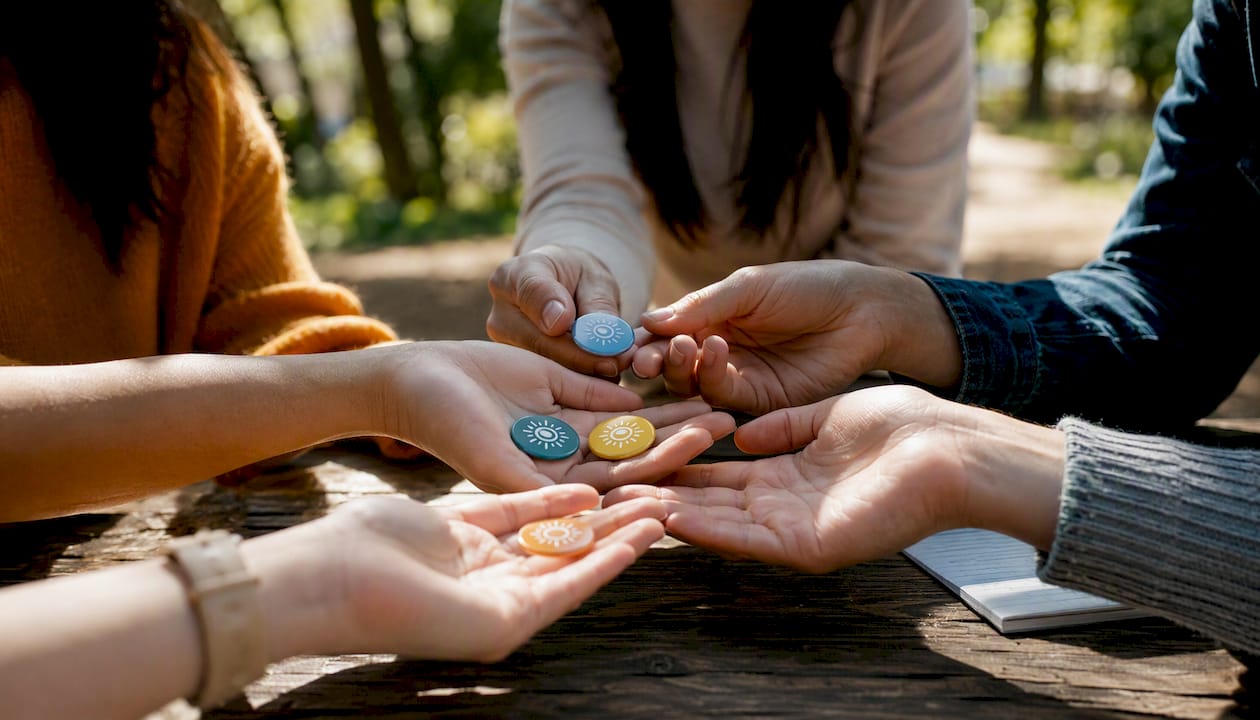
The mechanics work like this: a community member who participates in your group, answers questions, and sees your content regularly is far more likely to buy, refer, and leave a review than a passive follower. Community is a conversion engine, not a branding decoration.
HubSpot’s research identifies community-building as the top diversification strategy for brands concerned about platform dependency in 2026.
Community launch checklist:
Define a specific value proposition for members (exclusive content, early access, direct Q&A with your team)
Choose one platform to start (a private Facebook Group works for most SMBs; Discord suits younger, tech-forward audiences)
Write three moderation rules and post them on day one
Commit to posting original, community-only content at least three times per week for the first 90 days
Assign one person as community manager, even if that is the business owner initially
Pro Tip: Convert your most engaged community members into micro-ambassadors by giving them a simple, repeatable action: share one post per week with a personal caption. No formal contract needed at first. The social proof compounds quickly, and you will identify your best potential paid creators from this group.
Converting community engagement into revenue:
Run monthly “members-only” offers or early-access product drops
Use community polls to gather product feedback before a launch
Invite top contributors to beta-test new services and share their experience publicly
Cross-promote your email list inside the community to own the relationship off-platform
7. Serialized and live formats outperform one-off posts
A single post competes with everything else in the feed at the moment it goes live. A serialized series trains your audience to return on a schedule, and that repeat behavior signals the algorithm to distribute your content more broadly. Live shopping events add a real-time urgency layer that static posts cannot replicate.
The efficiency argument is straightforward: paid amplification of a serialized episode benefits from the social proof (comments, shares, saves) that earlier episodes in the series already accumulated. You are not starting from zero every time.
Format ideas worth testing in 2026:
Daily micro-updates: 15–30 second clips showing one specific tip, product use, or behind-the-scenes moment, published at the same time each day
Themed weekly shows: a recurring Instagram Live or TikTok LIVE with a consistent title, format, and guest rotation
Live Q&A + shoppable moments: combine a product demo with a live Q&A and pin shoppable product links during the broadcast
“Before and after” series: document a transformation over four to six episodes, releasing one per week
Three action steps for launching a mini-series:
Produce episodes one through three before publishing episode one, so you have a buffer and can maintain cadence
Create a series title card and consistent intro sequence (three to five seconds) that viewers recognize immediately
Tease the next episode at the end of each post to drive return visits
Pro Tip: For live shopping events, send a reminder to your email list and community 24 hours and one hour before the broadcast. Warm audiences convert at significantly higher rates than cold traffic, and the live replay continues to drive purchases for days after the event ends.
8. Ad budgets and measurement are shifting toward commerce-enabled placements
Social network ad spending will exceed $121 billion in 2026, with social video accounting for more than 20% of digital ad dollars. That concentration of spend in social video is not a coincidence. It reflects where measurable conversion is happening. If your budget is still weighted toward static image ads or awareness-only placements, you are paying for impressions that are increasingly hard to attribute.
The KPI shift that matters most: move from reach and impressions as primary metrics to cost-per-initiated-checkout and return on ad spend (ROAS) for commerce campaigns, and to cost-per-lead or cost-per-DM for service businesses. Reach is still worth tracking, but it should be a secondary signal, not the headline number in your reporting.
KPI checklist for 2026 social campaigns:
Top-of-funnel: video view rate (target 25%+), profile visits, follower growth rate
Mid-funnel: saves, shares, link clicks, DM initiations, story replies
Bottom-of-funnel: cost-per-initiated-checkout, ROAS, cost-per-lead, conversion rate from social traffic
Three budget reallocation actions:
Shift 20–30% of your static image ad budget into short-form video placements and measure ROAS over 30 days before committing further
Allocate a dedicated test budget (even $500–$1,000/month) for creator whitelisting campaigns, separate from your brand ad account
Run a monthly attribution sanity-check: compare platform-reported conversions against your CRM or analytics tool to identify over-attribution from view-through windows
For digital marketing best practices that complement your social ad strategy, including attribution frameworks and budget planning, SOL Social Media’s 2026 guide covers the full picture.
9. Platform spotlight: TikTok, Instagram, Pinterest, X, Reddit, and Snapchat
Each platform plays a distinct role in the 2026 media mix. Spreading your budget evenly across all of them is rarely the right move. Here is where each platform stands and what to test.
TikTok remains the dominant discovery engine for product categories from beauty to home goods. Over 51% of US social buyers will shop on TikTok in 2026, making TikTok Shop activation a near-mandatory step for product-based businesses. Test: launch one shoppable video series with a micro-creator and measure cost-per-initiated-checkout.
Instagram (Meta) sits in the consideration phase of the funnel. Reels drive discovery, Stories drive daily engagement, and Instagram Shops close the loop for product purchases. The Meta ad ecosystem’s targeting depth still makes it the most efficient paid social channel for most SMBs. Test: run a Reels-to-Shop campaign using creator UGC as the creative.
Pinterest is a shoppable inspiration platform with purchase intent baked in. Users arrive with a project or purchase in mind, which makes Pinterest’s shoppable pins unusually high-intent for home, fashion, food, and lifestyle categories. Test: sync your product catalog and run a shopping campaign targeting keyword-based searches.
X (formerly Twitter) functions best as a real-time conversation and community engagement channel. Organic reach has narrowed, but X remains valuable for brand voice, industry commentary, and direct customer interaction. Test: engage in three to five relevant trending conversations per week and measure follower growth and DM volume.
Reddit rewards genuine community participation over promotional content. Subreddits in your niche are where your most informed potential customers are already talking. Test: answer questions in two to three relevant subreddits for 30 days before considering Reddit Ads.
Snapchat reaches a younger demographic (primarily 13–34) with ephemeral content and AR lenses. For brands targeting Gen Z, Snapchat’s augmented reality try-on features and Spotlight (its short-form video feed) are worth testing. Test: create one AR lens tied to a product and measure lens usage and downstream traffic.
Platform | Primary role | Commerce capability | Best content type |
TikTok | Discovery | TikTok Shop, live shopping | Short-form video, creator collabs |
Consideration | Instagram Shops, Reels checkout | Reels, Stories, creator UGC | |
Shoppable inspiration | Shoppable pins, catalogs | Idea pins, product pins | |
X | Conversation | Limited | Text, short video, threads |
Community | Reddit Ads | Long-form text, AMAs | |
Snapchat | Younger reach | Limited | AR lenses, Spotlight clips |
10. Your 90-day rollout plan for 2026 social trends
A trend list without a timeline is just reading material. Here is a phased plan you can hand to your team today.
Days 1–30: Baseline and build
Audit your current content mix: what percentage is short-form video, static image, and long-form? Set a target ratio (aim for 60%+ short-form video by day 90).
Document your brand DNA brief: voice, values, three things you never say, and your top five customer FAQs.
Activate TikTok Shop and Instagram Shops if you sell physical products. Sync your product catalog and fix any incomplete listings.
Identify 10–15 micro-creator candidates. Begin engaging with their content organically.
Set up UTM parameters and conversion tracking for all social traffic before you spend a dollar on ads.
Choose one community platform (Facebook Group or Discord) and launch with a clear value proposition.
Pro Tip: In week one, record a “brand DNA video” — a 60-second clip where you or a team member explains who you help, how, and why it matters. This becomes the foundation for your AI content briefs, your creator onboarding, and your community welcome post.
Days 31–60: Test and iterate
Launch your first short-form video series (three episodes ready before publishing episode one)
Send creator outreach to your top five candidates with a one-page brief
Run a 30-day split test: AI-assisted content vs. human-written content on the same topic
Publish your first community-only offer or early-access drop
Review your KPI dashboard weekly: video view rate, cost-per-click, and conversion rate from social traffic
Days 61–90: Scale what works
Whitelist the top-performing creator post as a paid dark post
Shift 20–30% of static image ad budget into short-form video placements
Host your first live shopping event or live Q&A with a shoppable moment
Run a monthly attribution check comparing platform data against your CRM
Document what worked, what did not, and set your Q3 priorities
For SMB-specific social media strategies that align with this 90-day framework, SOL Social Media’s guide covers the execution details.
11. How SOL Social Media implements these trends for small businesses
SOL Social Media’s standard engagement model is built around the same 90-day framework above, applied with the specific context of each client’s industry, audience, and goals. The service scope covers content production, creator sourcing, live event coverage, social commerce setup, and monthly reporting — so you are not managing five vendors to execute what one agency handles end-to-end.
When to outsource vs. keep in-house:
Outsource content production, creator outreach, and paid ad management if your team spends more than five hours per week on social without a clear attribution model
Keep in-house brand voice decisions, customer relationship responses, and product knowledge that only your team holds
Outsource social commerce setup and live shopping production if you have not run a shoppable event before
Keep in-house final approval on all published content, regardless of who produces it
Early outcomes clients typically see in the first 90 days include improved content consistency, measurable growth in engagement rate, and a clearer picture of which platforms and formats are actually driving traffic and leads. For case studies showing how these tactics translate to real growth, SOL Social Media’s resource library documents the specifics.
12. AR and VR are moving from novelty to practical brand tools
Augmented reality on social media has crossed from experimental to practical for brands in retail, beauty, home goods, and food service. Snapchat’s AR lenses, Instagram’s effects, and TikTok’s green screen and filter tools give brands a low-cost way to let customers “try before they buy” without a physical store visit. A beauty brand that lets a customer virtually try on a lipstick shade inside Instagram Stories removes a significant purchase barrier.
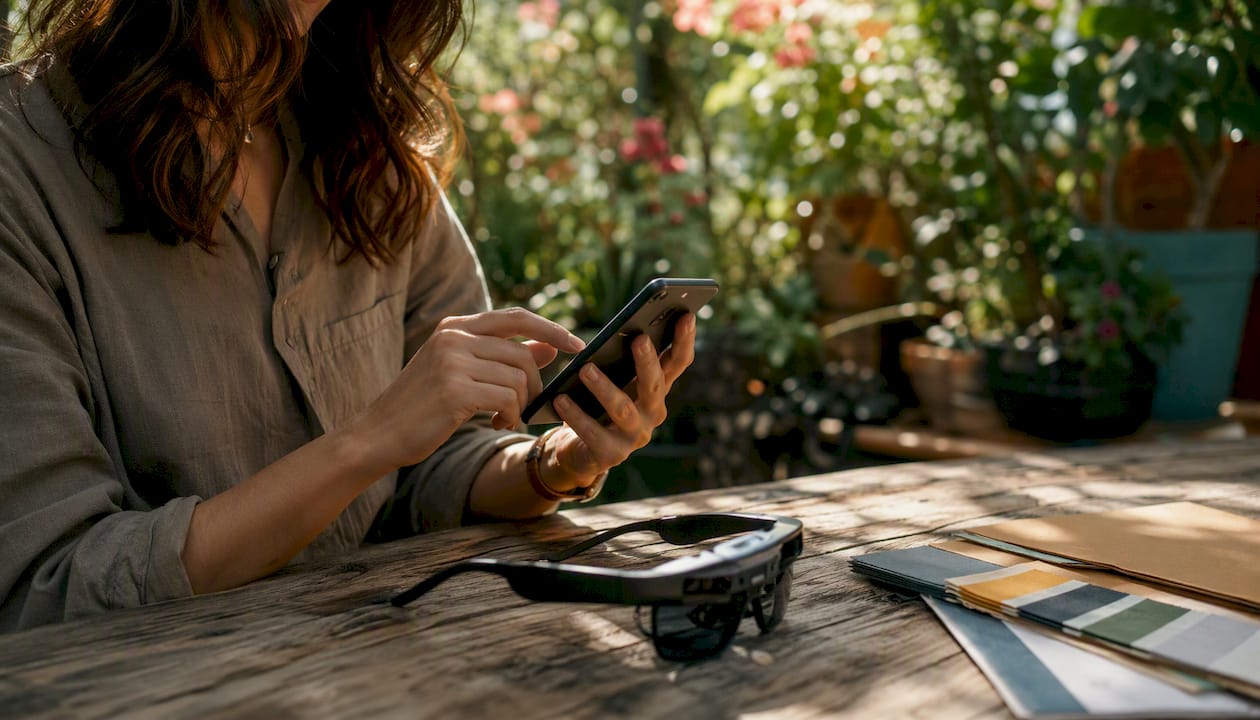
Virtual reality remains further from mainstream social adoption, but Meta’s continued investment in its mixed-reality hardware and Horizon Worlds platform signals where the longer-term opportunity sits. For most SMBs in 2026, the practical move is AR, not VR. Build one branded AR filter or lens tied to a product launch and measure how many users engage with it versus a standard static ad. The production cost has dropped significantly as platform tools have matured.
13. Sustainability and social responsibility shape what audiences trust
Consumers increasingly evaluate brands on their environmental and social commitments before making a purchase, and social media is where those commitments are tested in real time. A single poorly worded post about sustainability can generate more negative attention than a well-produced campaign generates positive attention. Authenticity is the operative word.
The brands that perform well on this dimension in 2026 are specific, not aspirational. They post about a concrete action (switching to recycled packaging, donating a percentage of a specific product’s sales, partnering with a named local organization) rather than making broad claims about “caring about the planet.” Specificity is credible. Vague mission statements are not.
For small businesses, the most effective approach is to document what you already do and share it consistently. You do not need a corporate sustainability report. You need three to five posts per month that show, not tell, your values in action.
14. AI-driven personalization is raising the bar for audience targeting
AI-powered personalization has moved beyond basic demographic targeting. In 2026, the most effective social ad campaigns use behavioral signals — past purchases, content engagement patterns, lookalike modeling from CRM data — to serve creative that feels individually relevant rather than broadly targeted.
The practical implication for SMBs: your first-party data is now your most valuable targeting asset. A customer list uploaded to Meta’s Custom Audiences or TikTok’s Custom Audiences will outperform a broad interest-based audience for most conversion campaigns, because the model has real purchase behavior to learn from rather than inferred interest signals.
Adobe’s 2026 social media trends research identifies AI-powered personalization as one of the top forces reshaping how brands connect with audiences, noting that the gap between brands using first-party data and those relying on platform-only targeting is widening. The action is straightforward: export your customer list monthly, upload it to your ad platforms, and build lookalike audiences from your highest-value customer segments.
15. Cross-platform repurposing keeps your content working harder
Producing unique content for every platform from scratch is neither sustainable nor necessary. A single well-produced piece of content — a 10-minute YouTube video, a detailed blog post, a live event recording — can generate 8–12 derivative assets when repurposed systematically.
The repurposing workflow that works:
Record a 10–15 minute long-form video (YouTube, podcast, or live event)
Extract three to five 60-second clips for TikTok, Reels, and YouTube Shorts
Pull three quotable moments for X and LinkedIn text posts
Convert the transcript into a blog post or email newsletter
Create three Pinterest idea pins from the key visual moments
Use the audio as a podcast episode if the format fits
We Are Social’s Digital 2026 coverage highlights cross-platform audience behaviors and the growing importance of platform specialization, reinforcing that the same content needs to be adapted, not just copied, for each platform’s native format and audience expectation.
Unified management tools like Sprout Social’s publishing suite or HubSpot’s social tools help teams schedule, track, and analyze cross-platform content from a single dashboard, reducing the operational overhead of managing multiple channels simultaneously.
What SOL Social Media would test first in 2026
The honest answer to “where should you start?” is not the trend with the most press coverage. It is the trend with the clearest feedback loop for your specific business model.
For most SMBs, the three experiments worth running in Q1–Q2 2026 are:
Creator-led paid funnel. Partner with two micro-creators in your niche, whitelist their top-performing posts as paid dark posts, and run them against your own brand creative for 30 days. Measure cost-per-click and cost-per-conversion separately. The risk: creator content can feel off-brand if the brief is too loose. Mitigation: require one revision round before whitelisting.
AI-assisted short-form series with an approval workflow. Use AI to generate five caption and hook variations for each video, then have a human editor select and refine the best one. Track whether AI-assisted posts perform differently than fully human-written ones over 60 days. The risk: AI output that sounds generic erodes brand voice. Mitigation: feed your brand DNA brief into every prompt and never skip the human review step.
Social commerce pilot on one platform. Activate TikTok Shop or Instagram Shops for your top three products, run one live shopping event with a creator host, and measure cost-per-initiated-checkout against your current paid social benchmarks. The risk: live events require production preparation and a warm audience. Mitigation: promote the event to your email list and community 48 hours in advance, and rehearse the product demo before going live.
None of these experiments require a large budget to generate useful data. The goal in Q1 is signal, not scale.
SOL Social Media helps small businesses execute on 2026 trends
The gap between knowing the trends and executing them consistently is where most small businesses lose ground. SOL Social Media closes that gap with full-service social media management and engagement built specifically for small businesses in retail, healthcare, and service industries.
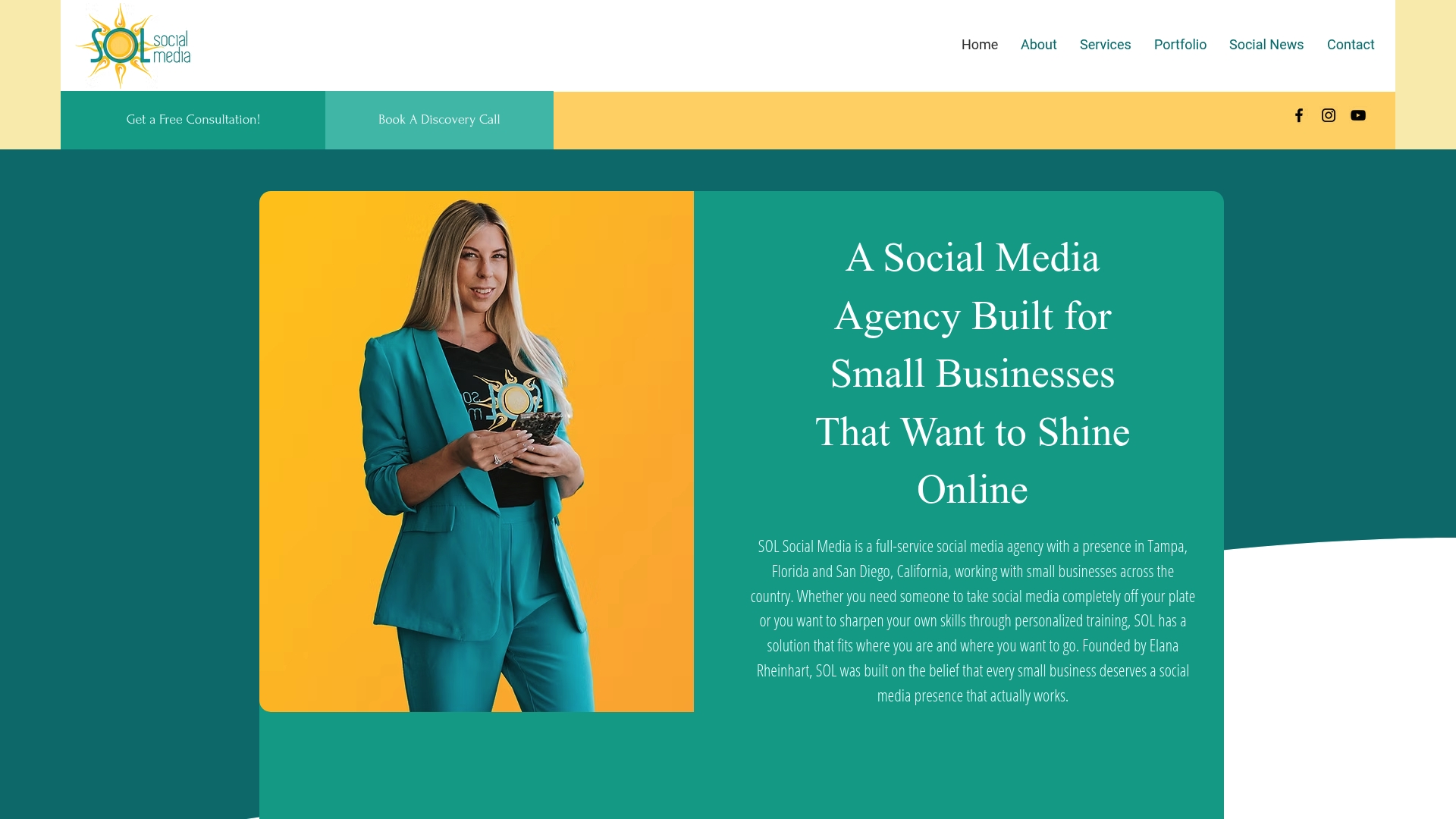
SOL Social Media handles content production, creator sourcing, social commerce setup, live event coverage, and monthly performance reporting — so your team focuses on running the business while your social presence builds real, measurable momentum. No generic templates, no AI-only content pipelines. Every post reflects your brand’s actual voice, backed by a strategy grounded in your specific goals and audience.
Whether you are starting from scratch or scaling a content program that has stalled, SOL Social Media’s community and engagement services give you a structured path from where you are now to where you want to be. Reach out to SOL Social Media to book a strategy session and get a clear picture of which 2026 trends your business should prioritize first.
Sources
FAQ
What are the biggest social media trends for 2026?
The top trends are short-form video dominance, AI-embedded content workflows, platform-native social commerce (TikTok Shop, Instagram Shops, Pinterest), social search optimization, and micro-creator partnerships.
How should small businesses prioritize these trends?
Start with the trend that has the clearest feedback loop for your business model. For product-based businesses, activate TikTok Shop or Instagram Shops first. For service businesses, launch a short-form video series and a micro-creator partnership. Both experiments can generate useful data within 30 days on a modest budget.
Is AI-generated social media content effective in 2026?
AI is effective for scaling content production, but only when brands integrate first-party data (CRM, purchase history) into their AI workflows and maintain a human review step before publishing.
Which platforms should marketers focus on in 2026?
TikTok for discovery and social commerce, Instagram for consideration and paid social, and Pinterest for high-intent shoppable content. X and Reddit serve community and conversation goals. Snapchat is worth testing for brands targeting younger audiences, particularly with AR features.
How can SOL Social Media help with 2026 social trends?
SOL Social Media provides full-service social media management for small businesses, covering content production, creator sourcing, social commerce setup, live event coverage, and monthly reporting. Businesses in retail, healthcare, and service industries can book a strategy session to identify which 2026 trends to prioritize for their specific goals.
Recommended
Comments